Exploring the Rich Diversity of African Cuisine and Cultural Ceremonies
Category : | Sub Category : Posted on 2024-11-05 22:25:23
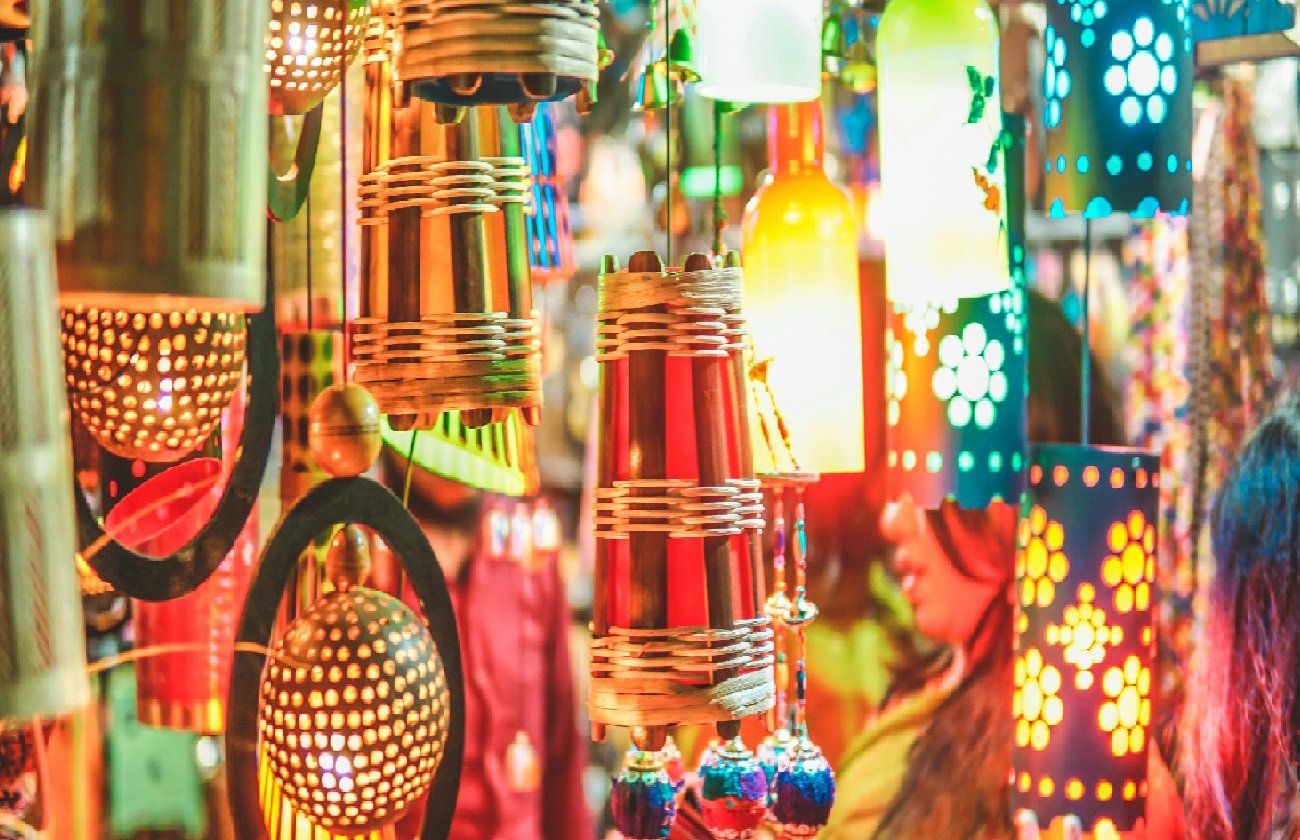
Africa is a continent known for its rich diversity in culture and cuisine. The vibrant tapestry of traditions and flavors that make up African cuisine reflects the continent's long and intricate history. From traditional dishes to elaborate cultural ceremonies, African cuisine offers a truly unique culinary experience that celebrates the diversity of the African continent. One of the most intriguing aspects of African cuisine is the way it is deeply intertwined with cultural ceremonies and rituals. Food plays a central role in many African cultures, symbolizing hospitality, unity, and tradition. In many African societies, food is used to bring people together, celebrate important milestones, and honor ancestors. From elaborate feasts to simple family gatherings, African cuisine is a reflection of the values and beliefs that define each culture. Each region of Africa boasts its own unique culinary traditions and flavors. In North Africa, dishes like couscous, tagine, and falafel are popular staples, reflecting the influence of Mediterranean and Middle Eastern cuisines. In West Africa, dishes like jollof rice, fufu, and egusi soup are enjoyed, often served in colorful displays during festive occasions. East African cuisine features dishes like injera, samosas, and pilau, showcasing a blend of Indian, Arabian, and indigenous flavors. South Africa, with its diverse population and rich history, offers a unique blend of flavors and ingredients. From traditional dishes like bobotie and pap to modern fusion cuisine, South African food reflects the country's cultural melting pot. The iconic South African braai (barbecue) is a social gathering where friends and family come together to enjoy grilled meats and share stories, embodying the spirit of togetherness and community. African cultural ceremonies often feature intricate rituals and traditions associated with food. From traditional wedding feasts to coming-of-age celebrations, food plays a central role in these ceremonies, symbolizing unity, abundance, and heritage. In many African communities, the preparation and sharing of food are seen as a way to honor ancestors, strengthen bonds between generations, and pass down culinary traditions. Overall, African cuisine and cultural ceremonies offer a glimpse into the diverse and complex tapestry of African life. From the flavors of North Africa to the traditions of South Africa, each region of the continent offers a unique culinary experience that reflects the richness of its people and history. By exploring African cuisine and participating in cultural ceremonies, we can celebrate the diversity and beauty of the African continent. Want to gain insights? Start with https://www.indianspecialty.com also for more info https://www.bestindianfoods.com You can also check following website for more information about this subject: https://www.deleci.com Dropy by for a visit at https://www.adriaticfood.com For a detailed analysis, explore: https://www.alienvegan.com Get a comprehensive view with https://www.topinduction.com To learn more, take a look at: https://www.swiss-cuisine.com For the latest insights, read: https://www.visit-kenya.com For an alternative viewpoint, explore https://www.tsonga.org You can also Have a visit at https://www.tonigeria.com visit: https://www.tocongo.com Uncover valuable insights in https://www.toalgeria.com Curious to learn more? Click on https://www.yemekleri.org For a broader exploration, take a look at https://www.savanne.org
Leave a Comment:
SEARCH
Recent News
- Zurich, Switzerland is a city known for its stunning landscapes, charming streets, and vibrant culture. One of the many delights of visiting Zurich is the opportunity to explore its unique shopping scene. For those looking to add a touch of luxury and warmth to their wardrobe, Zurich is the perfect place to discover exquisite wool stoles.
- Winter in Zurich, Switzerland is a magical time of year when snow-capped mountains, charming Christmas markets, and cozy cafes create a picturesque scene straight out of a fairytale. As the temperatures drop and the city prepares for the festive season, one essential accessory that both locals and visitors alike reach for to stay warm and stylish is a winter stole.
- Zurich, Switzerland: A Haven for Wildlife Conservation
- Zurich, Switzerland, and Vancouver, Canada, are two bustling cities known for their thriving startup scenes. In this blog post, we will take a closer look at some of the top startups making waves in each city.
- Zurich, Switzerland and Vancouver, Canada: A Comparison of Import and Export Opportunities
- Zurich, Switzerland and Vancouver, Canada are two vibrant cities with distinct characteristics that make them stand out in their respective regions. While Zurich is known for its financial prowess and high quality of life, Vancouver is a bustling hub of business and innovation on the west coast of Canada. Let's take a closer look at how these two cities compare in terms of their business environments.
- Zurich, Switzerland and Vancouver, Canada are both vibrant cities known for their strong economies and diverse job markets. In this article, we explore some of the best companies to work for in these two cities, highlighting their unique offerings and what makes them stand out in their respective industries.
- Located in the heart of Switzerland, Zurich is known for its stunning natural beauty, bustling city life, and thriving business environment. The city attracts businesses from all over the world, thanks to its robust infrastructure, highly skilled workforce, and favorable economic policies. For UK businesses looking to expand or set up operations in Zurich, there are a number of government business support programs available to help navigate the process.
READ MORE
10 months ago Category :

Zurich, Switzerland is a city known for its stunning landscapes, charming streets, and vibrant culture. One of the many delights of visiting Zurich is the opportunity to explore its unique shopping scene. For those looking to add a touch of luxury and warmth to their wardrobe, Zurich is the perfect place to discover exquisite wool stoles.
Read More →10 months ago Category :

Winter in Zurich, Switzerland is a magical time of year when snow-capped mountains, charming Christmas markets, and cozy cafes create a picturesque scene straight out of a fairytale. As the temperatures drop and the city prepares for the festive season, one essential accessory that both locals and visitors alike reach for to stay warm and stylish is a winter stole.
Read More →10 months ago Category :

Zurich, Switzerland: A Haven for Wildlife Conservation
Read More →10 months ago Category :
