**Exploring the Cultural Diversity of Nigeria**
Category : | Sub Category : Posted on 2024-11-05 22:25:23
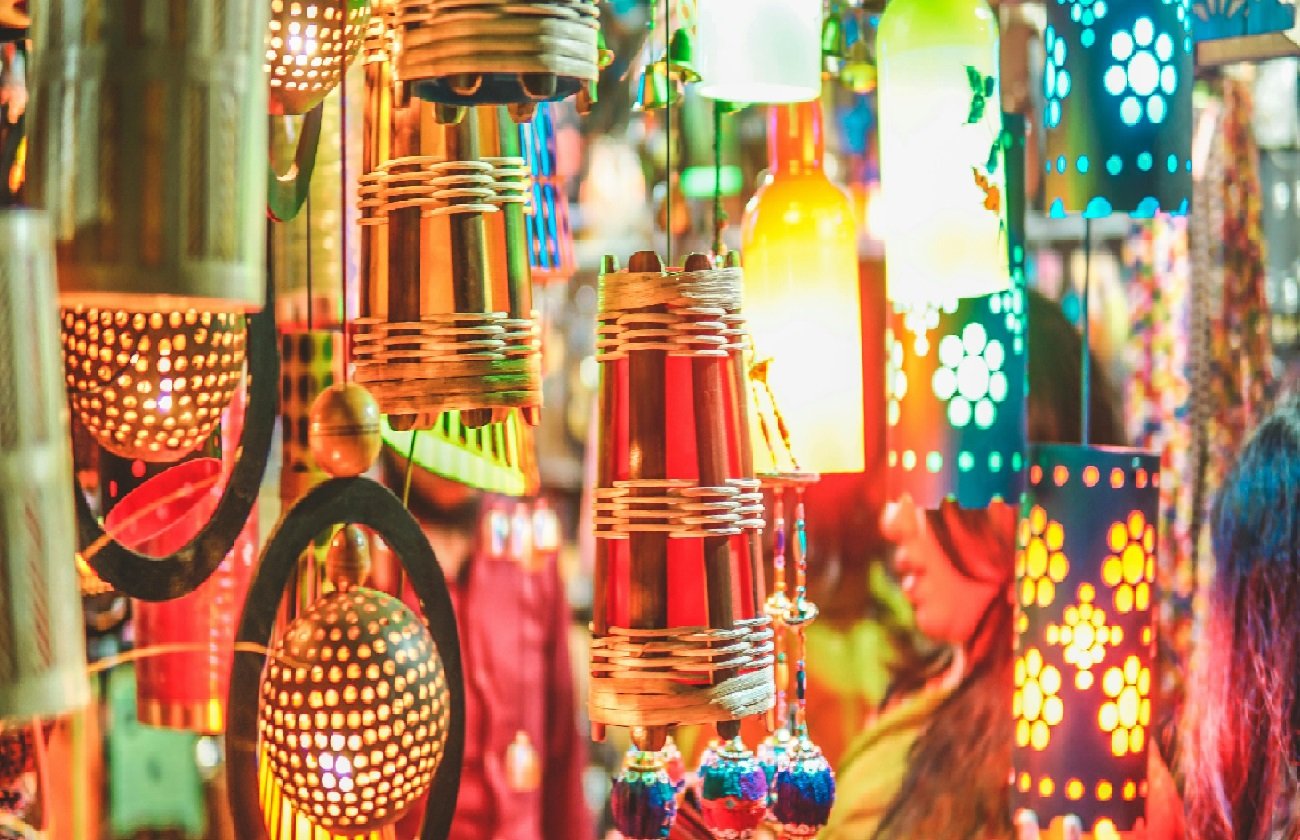
Nigeria, often referred to as the "Giant of Africa," is a country known for its rich cultural heritage and vibrant diversity. With over 250 ethnic groups and more than 500 languages spoken, Nigeria is a melting pot of various traditions, beliefs, and practices. One of the key aspects that stand out in Nigerian culture is its colorful and diverse range of traditional attire. From the flowing Agbada worn by the Yoruba people to the intricately embroidered Kaftans of the Hausa-Fulani, each ethnic group has its distinctive style that reflects its cultural identity. These traditional attires are not only worn on special occasions but also serve as a way for Nigerians to connect with their roots and express their cultural pride. Music and dance are also integral parts of Nigerian culture, with each ethnic group having its unique musical styles and dance forms. The pulsating rhythms of Afrobeat, popularized by Nigerian music legend Fela Kuti, have gained international acclaim and showcase the country's creativity and musical talent. Traditional dances such as the energetic Ekombi dance of the Efik people and the graceful Benue Tiv dance offer a glimpse into the diversity and beauty of Nigerian cultural expressions. Nigeria's culinary landscape is also incredibly diverse, with each region offering its own distinct flavors and specialties. From the spicy jollof rice of the Yoruba people to the rich Ogbono soup of the Igbo people, Nigerian cuisine is a reflection of the country's cultural tapestry. Street food vendors selling suya (grilled meat skewers) and puff-puff (deep-fried dough balls) add to the vibrant culinary scene, providing a taste of Nigeria's gastronomic delights. Religion plays a significant role in Nigerian society, with a mix of Christianity, Islam, and traditional African religions coexisting peacefully. The diversity of religious beliefs and practices adds another layer of richness to Nigeria's cultural mosaic, shaping its festivals, rituals, and social norms. Despite its diversity, Nigeria's cultural heritage faces challenges such as modernization, globalization, and urbanization. However, efforts are being made to preserve and promote the country's cultural diversity through initiatives such as cultural festivals, museums, and cultural exchange programs. In conclusion, Nigeria's cultural diversity is a source of pride and strength for the country, showcasing the resilience and creativity of its people. By celebrating and preserving its rich heritage, Nigeria continues to embrace its multicultural identity and contribute to the global tapestry of diversity. Check the link below: https://www.egyptwn.com For comprehensive coverage, check out https://www.visit-kenya.com Seeking expert advice? Find it in https://www.tsonga.org To learn more, take a look at: https://www.tonigeria.com Uncover valuable insights in https://www.tocongo.com to Get more information at https://www.toalgeria.com this link is for more information https://www.savanne.org
Leave a Comment:
SEARCH
Recent News
- Zurich, Switzerland is a city known for its stunning landscapes, charming streets, and vibrant culture. One of the many delights of visiting Zurich is the opportunity to explore its unique shopping scene. For those looking to add a touch of luxury and warmth to their wardrobe, Zurich is the perfect place to discover exquisite wool stoles.
- Winter in Zurich, Switzerland is a magical time of year when snow-capped mountains, charming Christmas markets, and cozy cafes create a picturesque scene straight out of a fairytale. As the temperatures drop and the city prepares for the festive season, one essential accessory that both locals and visitors alike reach for to stay warm and stylish is a winter stole.
- Zurich, Switzerland: A Haven for Wildlife Conservation
- Zurich, Switzerland, and Vancouver, Canada, are two bustling cities known for their thriving startup scenes. In this blog post, we will take a closer look at some of the top startups making waves in each city.
- Zurich, Switzerland and Vancouver, Canada: A Comparison of Import and Export Opportunities
- Zurich, Switzerland and Vancouver, Canada are two vibrant cities with distinct characteristics that make them stand out in their respective regions. While Zurich is known for its financial prowess and high quality of life, Vancouver is a bustling hub of business and innovation on the west coast of Canada. Let's take a closer look at how these two cities compare in terms of their business environments.
- Zurich, Switzerland and Vancouver, Canada are both vibrant cities known for their strong economies and diverse job markets. In this article, we explore some of the best companies to work for in these two cities, highlighting their unique offerings and what makes them stand out in their respective industries.
- Located in the heart of Switzerland, Zurich is known for its stunning natural beauty, bustling city life, and thriving business environment. The city attracts businesses from all over the world, thanks to its robust infrastructure, highly skilled workforce, and favorable economic policies. For UK businesses looking to expand or set up operations in Zurich, there are a number of government business support programs available to help navigate the process.
READ MORE
10 months ago Category :

Zurich, Switzerland is a city known for its stunning landscapes, charming streets, and vibrant culture. One of the many delights of visiting Zurich is the opportunity to explore its unique shopping scene. For those looking to add a touch of luxury and warmth to their wardrobe, Zurich is the perfect place to discover exquisite wool stoles.
Read More →10 months ago Category :

Winter in Zurich, Switzerland is a magical time of year when snow-capped mountains, charming Christmas markets, and cozy cafes create a picturesque scene straight out of a fairytale. As the temperatures drop and the city prepares for the festive season, one essential accessory that both locals and visitors alike reach for to stay warm and stylish is a winter stole.
Read More →10 months ago Category :

Zurich, Switzerland: A Haven for Wildlife Conservation
Read More →10 months ago Category :
