The Timeless Tradition: Exploring Clocks and Cultural Diversity in Congo
Category : | Sub Category : Posted on 2024-11-05 22:25:23
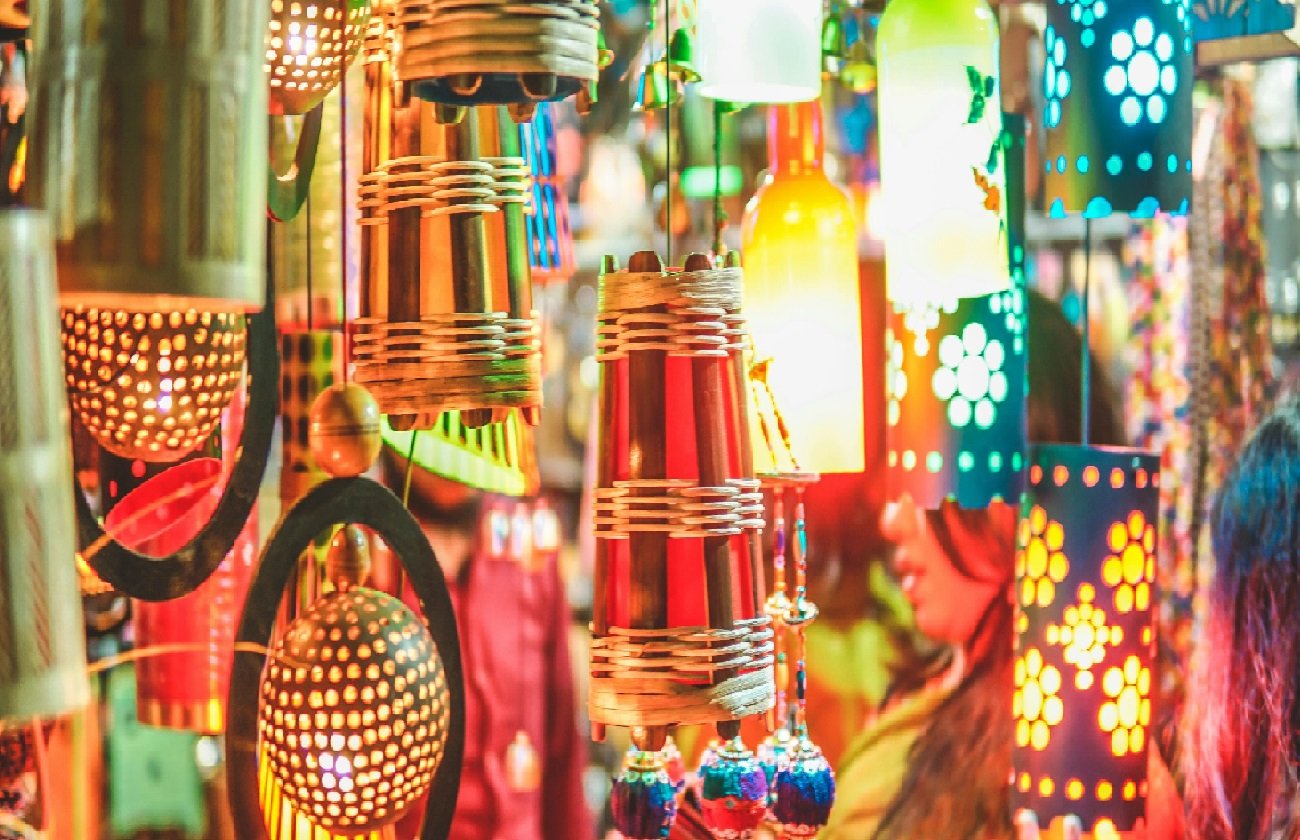
When it comes to cultural diversity, the Democratic Republic of the Congo stands out as a vibrant mosaic of traditions and customs. From art and music to fashion and cuisine, the Congolese people are known for their rich heritage that is deeply intertwined with their daily lives. Among the many aspects that showcase this cultural richness are the unique ways in which time is perceived and measured through clocks. In Congo, the concept of time is not only about the ticking of a clock but also a reflection of the values and customs that have been passed down through generations. Traditional timekeeping methods, such as the positioning of the sun in the sky or the phases of the moon, continue to hold significance in many communities across the country. These methods not only serve as practical ways to mark the passage of time but also carry spiritual and cultural importance. While modern clocks have become commonplace in urban areas of Congo, particularly in offices, schools, and public spaces, the traditional ways of measuring time remain prevalent in rural communities. The blend of modern and traditional timekeeping methods reflects the country's unique cultural diversity and the importance of preserving age-old customs in the face of technological advancements. Moreover, the design of clocks in Congo often incorporates elements of traditional art and craftsmanship, showcasing the country's rich cultural heritage. Intricate patterns, vibrant colors, and symbolic motifs are commonly seen on clocks sold in local markets, adding a touch of Congolese identity to these everyday objects. In conclusion, clocks in Congo serve as more than just tools to keep track of time – they are symbols of cultural identity, heritage, and diversity. By embracing both traditional and modern timekeeping methods, the Congolese people are able to preserve their cultural roots while also adapting to the changing world around them. As we continue to explore the intersection of clocks and cultural diversity in Congo, we gain a deeper appreciation for the unique ways in which time is understood and celebrated in this dynamic African nation.
Leave a Comment:
SEARCH
Recent News
- Zurich, Switzerland is a city known for its stunning landscapes, charming streets, and vibrant culture. One of the many delights of visiting Zurich is the opportunity to explore its unique shopping scene. For those looking to add a touch of luxury and warmth to their wardrobe, Zurich is the perfect place to discover exquisite wool stoles.
- Winter in Zurich, Switzerland is a magical time of year when snow-capped mountains, charming Christmas markets, and cozy cafes create a picturesque scene straight out of a fairytale. As the temperatures drop and the city prepares for the festive season, one essential accessory that both locals and visitors alike reach for to stay warm and stylish is a winter stole.
- Zurich, Switzerland: A Haven for Wildlife Conservation
- Zurich, Switzerland, and Vancouver, Canada, are two bustling cities known for their thriving startup scenes. In this blog post, we will take a closer look at some of the top startups making waves in each city.
- Zurich, Switzerland and Vancouver, Canada: A Comparison of Import and Export Opportunities
- Zurich, Switzerland and Vancouver, Canada are two vibrant cities with distinct characteristics that make them stand out in their respective regions. While Zurich is known for its financial prowess and high quality of life, Vancouver is a bustling hub of business and innovation on the west coast of Canada. Let's take a closer look at how these two cities compare in terms of their business environments.
- Zurich, Switzerland and Vancouver, Canada are both vibrant cities known for their strong economies and diverse job markets. In this article, we explore some of the best companies to work for in these two cities, highlighting their unique offerings and what makes them stand out in their respective industries.
- Located in the heart of Switzerland, Zurich is known for its stunning natural beauty, bustling city life, and thriving business environment. The city attracts businesses from all over the world, thanks to its robust infrastructure, highly skilled workforce, and favorable economic policies. For UK businesses looking to expand or set up operations in Zurich, there are a number of government business support programs available to help navigate the process.
READ MORE
11 months ago Category :

Zurich, Switzerland is a city known for its stunning landscapes, charming streets, and vibrant culture. One of the many delights of visiting Zurich is the opportunity to explore its unique shopping scene. For those looking to add a touch of luxury and warmth to their wardrobe, Zurich is the perfect place to discover exquisite wool stoles.
Read More →11 months ago Category :

Winter in Zurich, Switzerland is a magical time of year when snow-capped mountains, charming Christmas markets, and cozy cafes create a picturesque scene straight out of a fairytale. As the temperatures drop and the city prepares for the festive season, one essential accessory that both locals and visitors alike reach for to stay warm and stylish is a winter stole.
Read More →11 months ago Category :

Zurich, Switzerland: A Haven for Wildlife Conservation
Read More →11 months ago Category :
