Clocks and Cultural Diversity in Burma/Myanmar
Category : | Sub Category : Posted on 2024-11-05 22:25:23
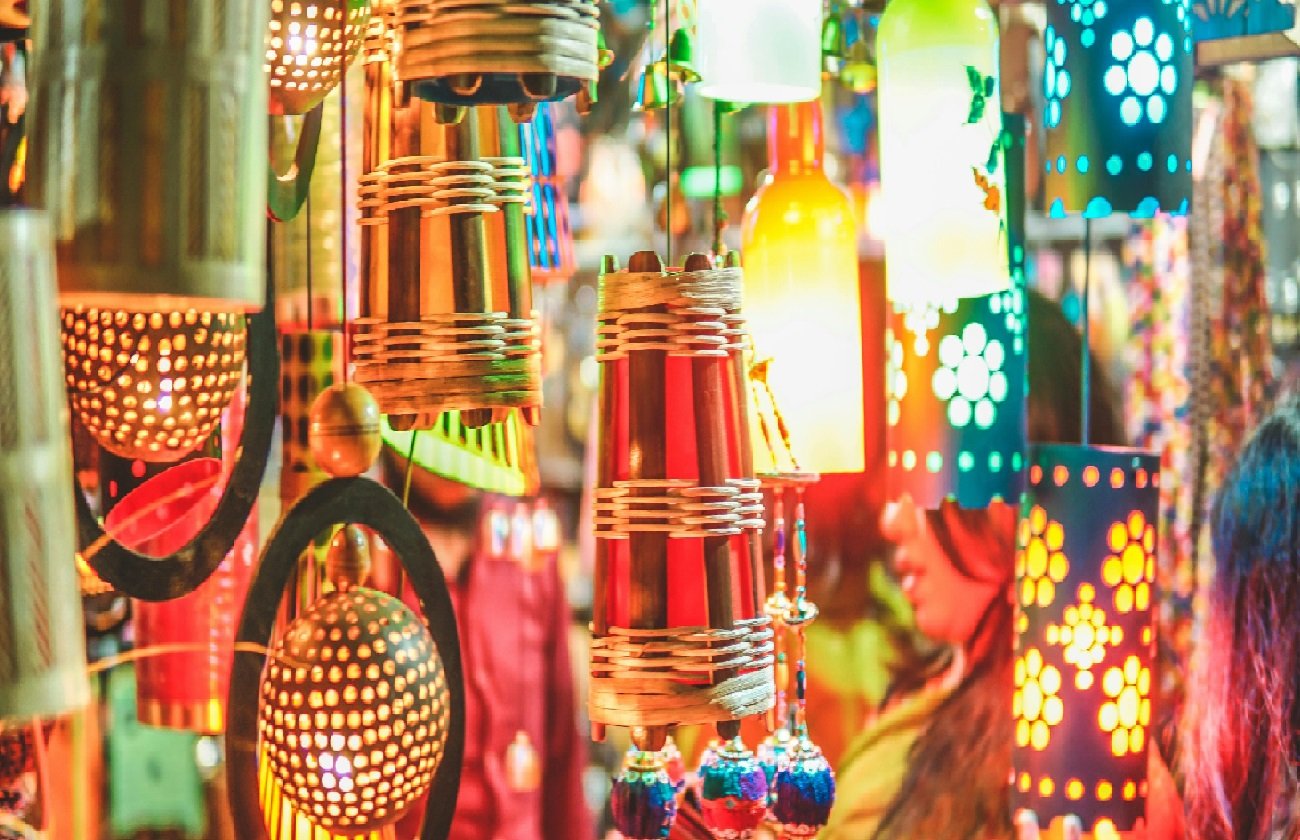
Burma, also known as Myanmar, is a country rich in culture and tradition. From its vibrant festivals to its unique cuisine, the diversity of the Burmese culture is evident everywhere you look. One aspect of Burmese culture that often goes unnoticed is the significance of clocks. In Burma, clocks hold a special place in society. They are not just timekeeping devices but are also considered symbols of status and tradition. In many Burmese households, you will find intricately designed clocks that are passed down from generation to generation. These clocks serve as a reminder of the family's heritage and are often displayed prominently in the home. One interesting aspect of clocks in Burmese culture is their connection to astrology. In Myanmar, astrology plays a significant role in everyday life, guiding everything from important decisions to daily activities. It is believed that certain times of the day are more auspicious than others, and clocks are used to determine these times. Many Burmese people consult astrologers to determine the best times for important events such as weddings, business deals, and even travel. Another fascinating aspect of clocks in Burmese culture is their role in religious practices. Burma is a predominantly Buddhist country, and clocks are often found in temples and pagodas. These clocks not only serve a practical purpose in keeping track of time for rituals and prayers but also symbolize the cyclical nature of life and the impermanence of all things. Despite the modernization and technological advancements in Burma, traditional clocks continue to hold a special place in the hearts of the Burmese people. They serve as a link to the past, connecting present generations to their ancestors and cultural heritage. In conclusion, clocks in Burma/Myanmar are not just timekeeping devices but also symbols of cultural identity and tradition. Their significance in Burmese society goes beyond mere functionality and serves as a testament to the rich and diverse cultural heritage of the country.
Leave a Comment:
SEARCH
Recent News
- Zurich, Switzerland is a city known for its stunning landscapes, charming streets, and vibrant culture. One of the many delights of visiting Zurich is the opportunity to explore its unique shopping scene. For those looking to add a touch of luxury and warmth to their wardrobe, Zurich is the perfect place to discover exquisite wool stoles.
- Winter in Zurich, Switzerland is a magical time of year when snow-capped mountains, charming Christmas markets, and cozy cafes create a picturesque scene straight out of a fairytale. As the temperatures drop and the city prepares for the festive season, one essential accessory that both locals and visitors alike reach for to stay warm and stylish is a winter stole.
- Zurich, Switzerland: A Haven for Wildlife Conservation
- Zurich, Switzerland, and Vancouver, Canada, are two bustling cities known for their thriving startup scenes. In this blog post, we will take a closer look at some of the top startups making waves in each city.
- Zurich, Switzerland and Vancouver, Canada: A Comparison of Import and Export Opportunities
- Zurich, Switzerland and Vancouver, Canada are two vibrant cities with distinct characteristics that make them stand out in their respective regions. While Zurich is known for its financial prowess and high quality of life, Vancouver is a bustling hub of business and innovation on the west coast of Canada. Let's take a closer look at how these two cities compare in terms of their business environments.
- Zurich, Switzerland and Vancouver, Canada are both vibrant cities known for their strong economies and diverse job markets. In this article, we explore some of the best companies to work for in these two cities, highlighting their unique offerings and what makes them stand out in their respective industries.
- Located in the heart of Switzerland, Zurich is known for its stunning natural beauty, bustling city life, and thriving business environment. The city attracts businesses from all over the world, thanks to its robust infrastructure, highly skilled workforce, and favorable economic policies. For UK businesses looking to expand or set up operations in Zurich, there are a number of government business support programs available to help navigate the process.
READ MORE
11 months ago Category :

Zurich, Switzerland is a city known for its stunning landscapes, charming streets, and vibrant culture. One of the many delights of visiting Zurich is the opportunity to explore its unique shopping scene. For those looking to add a touch of luxury and warmth to their wardrobe, Zurich is the perfect place to discover exquisite wool stoles.
Read More →11 months ago Category :

Winter in Zurich, Switzerland is a magical time of year when snow-capped mountains, charming Christmas markets, and cozy cafes create a picturesque scene straight out of a fairytale. As the temperatures drop and the city prepares for the festive season, one essential accessory that both locals and visitors alike reach for to stay warm and stylish is a winter stole.
Read More →11 months ago Category :

Zurich, Switzerland: A Haven for Wildlife Conservation
Read More →11 months ago Category :
