Myanmar, previously known as Burma, is a country rich in cultural diversity and boasts a unique architectural heritage that reflects its history and traditions.
Category : | Sub Category : Posted on 2024-11-05 22:25:23
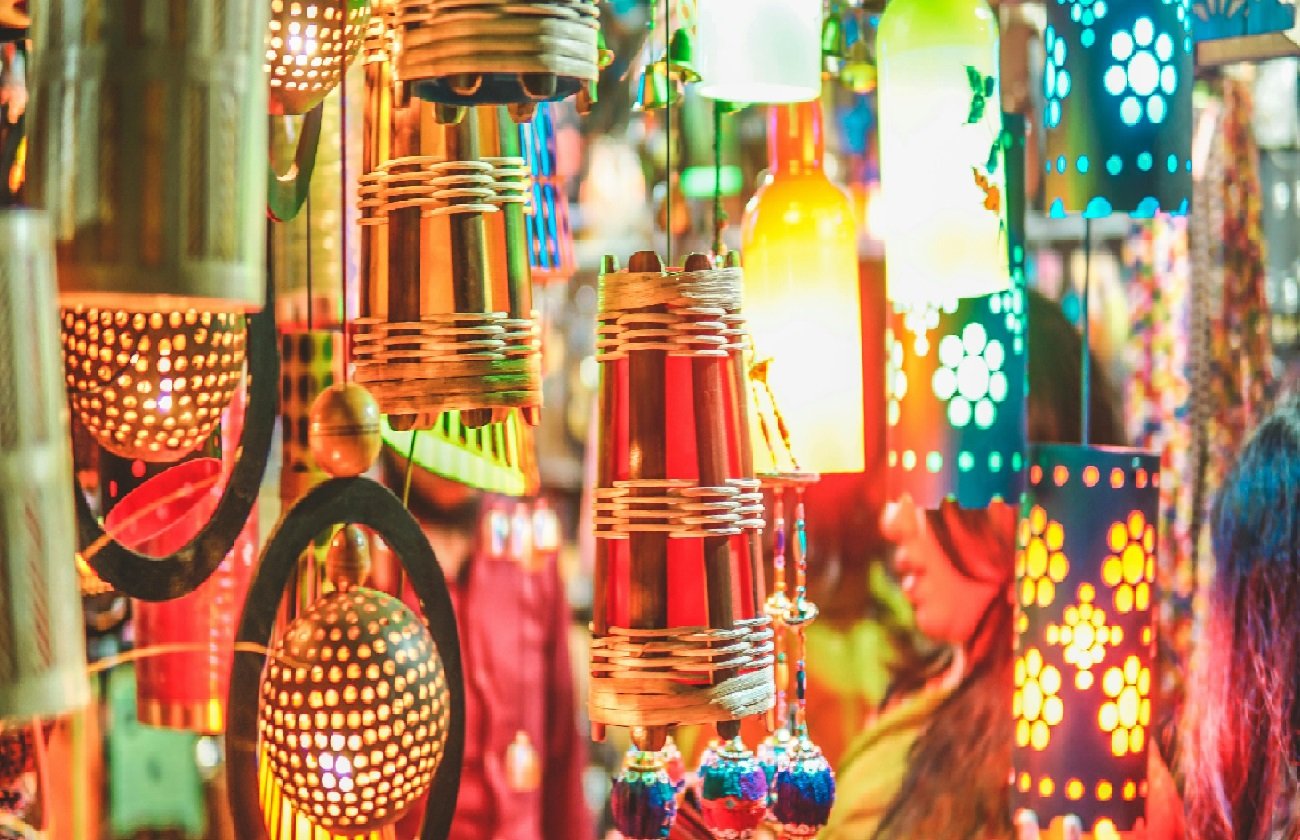
One of the most fascinating aspects of Myanmar's cultural diversity is its ethnic groups, each with its own distinct customs, languages, and traditions. The country is home to over 100 different ethnic groups, including the Bamar, Shan, Karen, Rakhine, and Chin people. This diversity is reflected in the country's architecture, with various styles and elements influenced by different cultural backgrounds. Myanmar's architectural landscape is a blend of traditional styles and influences from neighboring countries such as India, China, and Thailand. The most iconic example of Myanmar's architecture is the ancient city of Bagan, which is home to over 2,000 Buddhist temples and pagodas dating back to the 9th to 13th centuries. The architecture in Bagan is characterized by its tall, slender stupas, intricate carvings, and ornate decorations, showcasing the country's rich artistic heritage. Another architectural gem in Myanmar is the Shwedagon Pagoda in Yangon, a famous Buddhist temple adorned with gold leaf, diamonds, and other precious gems. The pagoda's shimmering golden spire dominates the city's skyline and is considered one of the most sacred religious sites in the country. In addition to religious buildings, Myanmar's architectural diversity can also be seen in its traditional wooden houses, colonial-era buildings, and modern structures. The traditional wooden houses, often built on stilts, feature intricate carvings and vibrant colors, reflecting the cultural identity of the various ethnic groups. Colonial-era buildings in cities like Yangon and Mandalay showcase a fusion of European and Asian architectural styles, with grand facades, high ceilings, and ornate details. These buildings are a reminder of Myanmar's colonial past under British rule and add to the country's architectural charm. As Myanmar continues to undergo modernization and development, there is a growing interest in preserving its architectural heritage and promoting sustainable design practices. Efforts are being made to restore and protect historic buildings, while also incorporating traditional elements into new construction projects. Overall, Myanmar's cultural diversity and architectural heritage are an integral part of the country's identity and offer a glimpse into its rich history and vibrant traditions. From ancient temples to traditional houses and modern structures, Myanmar's architecture is a testament to the country's unique blend of influences and the creativity of its people.
Leave a Comment:
SEARCH
Recent News
- Zurich, Switzerland is a city known for its stunning landscapes, charming streets, and vibrant culture. One of the many delights of visiting Zurich is the opportunity to explore its unique shopping scene. For those looking to add a touch of luxury and warmth to their wardrobe, Zurich is the perfect place to discover exquisite wool stoles.
- Winter in Zurich, Switzerland is a magical time of year when snow-capped mountains, charming Christmas markets, and cozy cafes create a picturesque scene straight out of a fairytale. As the temperatures drop and the city prepares for the festive season, one essential accessory that both locals and visitors alike reach for to stay warm and stylish is a winter stole.
- Zurich, Switzerland: A Haven for Wildlife Conservation
- Zurich, Switzerland, and Vancouver, Canada, are two bustling cities known for their thriving startup scenes. In this blog post, we will take a closer look at some of the top startups making waves in each city.
- Zurich, Switzerland and Vancouver, Canada: A Comparison of Import and Export Opportunities
- Zurich, Switzerland and Vancouver, Canada are two vibrant cities with distinct characteristics that make them stand out in their respective regions. While Zurich is known for its financial prowess and high quality of life, Vancouver is a bustling hub of business and innovation on the west coast of Canada. Let's take a closer look at how these two cities compare in terms of their business environments.
- Zurich, Switzerland and Vancouver, Canada are both vibrant cities known for their strong economies and diverse job markets. In this article, we explore some of the best companies to work for in these two cities, highlighting their unique offerings and what makes them stand out in their respective industries.
- Located in the heart of Switzerland, Zurich is known for its stunning natural beauty, bustling city life, and thriving business environment. The city attracts businesses from all over the world, thanks to its robust infrastructure, highly skilled workforce, and favorable economic policies. For UK businesses looking to expand or set up operations in Zurich, there are a number of government business support programs available to help navigate the process.
READ MORE
11 months ago Category :

Zurich, Switzerland is a city known for its stunning landscapes, charming streets, and vibrant culture. One of the many delights of visiting Zurich is the opportunity to explore its unique shopping scene. For those looking to add a touch of luxury and warmth to their wardrobe, Zurich is the perfect place to discover exquisite wool stoles.
Read More →11 months ago Category :

Winter in Zurich, Switzerland is a magical time of year when snow-capped mountains, charming Christmas markets, and cozy cafes create a picturesque scene straight out of a fairytale. As the temperatures drop and the city prepares for the festive season, one essential accessory that both locals and visitors alike reach for to stay warm and stylish is a winter stole.
Read More →11 months ago Category :

Zurich, Switzerland: A Haven for Wildlife Conservation
Read More →11 months ago Category :
