African Cuisine: Definition, Concept Clarification, and Cultural Diversity
Category : | Sub Category : Posted on 2024-11-05 22:25:23
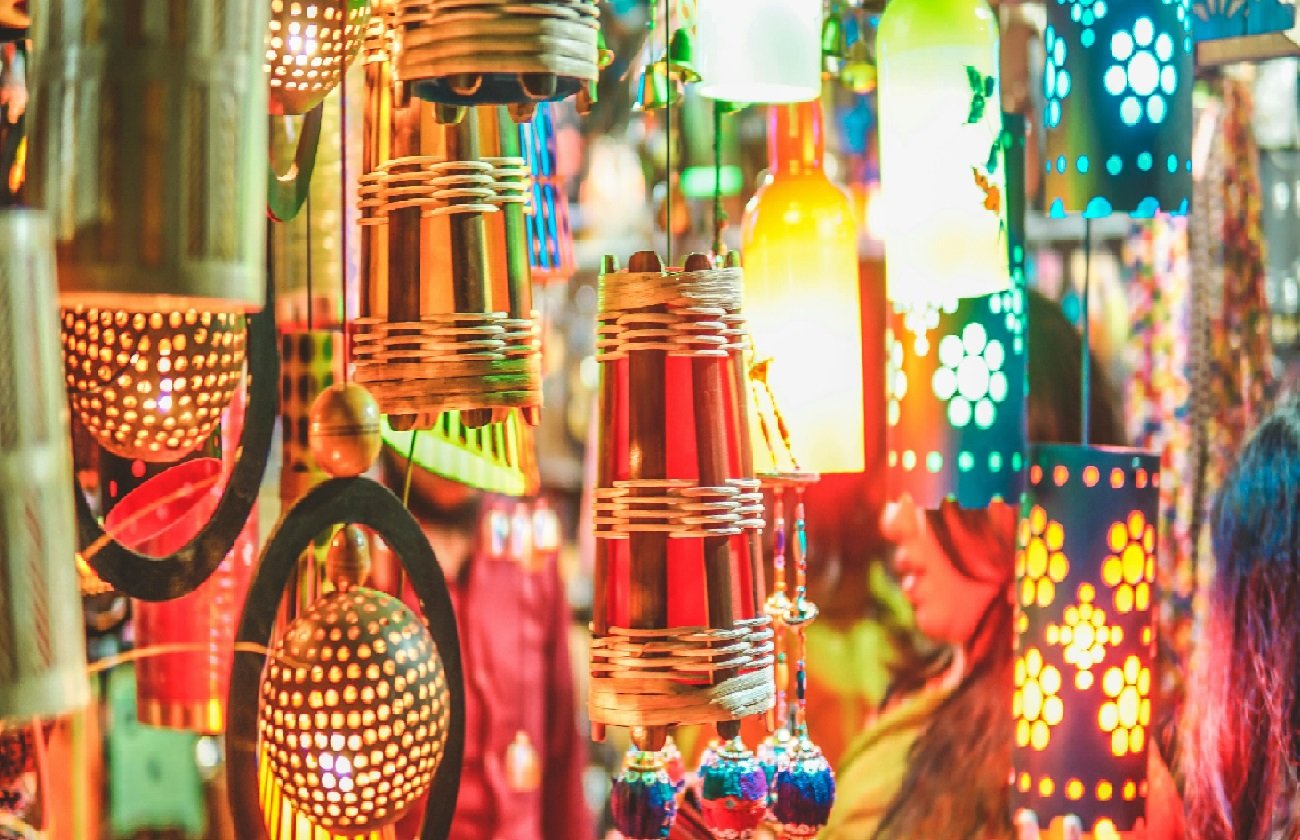
African cuisine is as diverse as the continent itself, encompassing a wide range of flavors, ingredients, and cooking traditions that have been shaped by history, geography, and culture. In this article, we will explore the definition and concept of African cuisine while delving into its rich cultural diversity. Definition of African Cuisine: African cuisine refers to the culinary traditions and practices of the diverse regions within the continent of Africa. From North Africa to West Africa, East Africa, Central Africa, and Southern Africa, each region has its own unique dishes, ingredients, and cooking techniques that are reflective of the local culture and available resources. Concept Clarification of African Cuisine: The concept of African cuisine is often misunderstood or oversimplified in mainstream media. While some may associate it with a few well-known dishes such as Nigerian jollof rice, South African braai, or Ethiopian injera, the reality is that African cuisine is incredibly varied and complex. It includes a wide range of ingredients such as grains like millet and sorghum, tubers like yams and cassava, vegetables like okra and collard greens, and meats like goat, chicken, and fish. What sets African cuisine apart is not just the ingredients themselves, but also the way they are combined and cooked. Many African dishes are characterized by bold flavors, spicy seasonings, and slow cooking methods that result in rich, complex flavors and textures. Cultural Diversity in African Cuisine: One of the most fascinating aspects of African cuisine is its cultural diversity. With over 50 countries and thousands of ethnic groups, Africa is home to a vast array of culinary traditions that vary greatly from one region to another. For example, West African cuisine is known for its use of peanuts, palm oil, and spicy peppers, while East African cuisine features dishes like Ugali and Nyama Choma. Furthermore, African cuisine has been influenced by centuries of trade, colonization, and migration, leading to the incorporation of ingredients and cooking techniques from around the world. For instance, the use of spices like cinnamon, cloves, and cardamom in North African cuisine can be traced back to Arab and European influences. In conclusion, African cuisine is a diverse and dynamic culinary tradition that celebrates the rich cultural heritage of the continent. By exploring the definition and concept of African cuisine while acknowledging its cultural diversity, we can gain a deeper appreciation for the flavors, ingredients, and traditions that make it truly unique. Don't miss more information at https://www.bkitchens.com You can also check following website for more information about this subject: https://www.indianspecialty.com For an in-depth analysis, I recommend reading https://www.bestindianfoods.com Visit the following website https://www.deleci.com For a deeper dive, visit: https://www.adriaticfood.com Want a more profound insight? Consult https://www.alienvegan.com Want to gain insights? Start with https://www.topinduction.com Curious to learn more? Click on https://www.swiss-cuisine.com Curious to learn more? Click on https://www.visit-kenya.com For more info https://www.tsonga.org Don't miss more information at https://www.tonigeria.com For the latest research, visit https://www.tocongo.com To learn more, take a look at: https://www.toalgeria.com to Get more information at https://www.yemekleri.org also for More in https://www.savanne.org
Leave a Comment:
SEARCH
Recent News
- Zurich, Switzerland is a city known for its stunning landscapes, charming streets, and vibrant culture. One of the many delights of visiting Zurich is the opportunity to explore its unique shopping scene. For those looking to add a touch of luxury and warmth to their wardrobe, Zurich is the perfect place to discover exquisite wool stoles.
- Winter in Zurich, Switzerland is a magical time of year when snow-capped mountains, charming Christmas markets, and cozy cafes create a picturesque scene straight out of a fairytale. As the temperatures drop and the city prepares for the festive season, one essential accessory that both locals and visitors alike reach for to stay warm and stylish is a winter stole.
- Zurich, Switzerland: A Haven for Wildlife Conservation
- Zurich, Switzerland, and Vancouver, Canada, are two bustling cities known for their thriving startup scenes. In this blog post, we will take a closer look at some of the top startups making waves in each city.
- Zurich, Switzerland and Vancouver, Canada: A Comparison of Import and Export Opportunities
- Zurich, Switzerland and Vancouver, Canada are two vibrant cities with distinct characteristics that make them stand out in their respective regions. While Zurich is known for its financial prowess and high quality of life, Vancouver is a bustling hub of business and innovation on the west coast of Canada. Let's take a closer look at how these two cities compare in terms of their business environments.
- Zurich, Switzerland and Vancouver, Canada are both vibrant cities known for their strong economies and diverse job markets. In this article, we explore some of the best companies to work for in these two cities, highlighting their unique offerings and what makes them stand out in their respective industries.
- Located in the heart of Switzerland, Zurich is known for its stunning natural beauty, bustling city life, and thriving business environment. The city attracts businesses from all over the world, thanks to its robust infrastructure, highly skilled workforce, and favorable economic policies. For UK businesses looking to expand or set up operations in Zurich, there are a number of government business support programs available to help navigate the process.
READ MORE
10 months ago Category :

Zurich, Switzerland is a city known for its stunning landscapes, charming streets, and vibrant culture. One of the many delights of visiting Zurich is the opportunity to explore its unique shopping scene. For those looking to add a touch of luxury and warmth to their wardrobe, Zurich is the perfect place to discover exquisite wool stoles.
Read More →10 months ago Category :

Winter in Zurich, Switzerland is a magical time of year when snow-capped mountains, charming Christmas markets, and cozy cafes create a picturesque scene straight out of a fairytale. As the temperatures drop and the city prepares for the festive season, one essential accessory that both locals and visitors alike reach for to stay warm and stylish is a winter stole.
Read More →10 months ago Category :

Zurich, Switzerland: A Haven for Wildlife Conservation
Read More →10 months ago Category :
